

Driving and Motability

For people with disabilities in the UK, driving can be a crucial element of independence and participation in daily life. It provides access to employment, social activities, and essential services, overcoming barriers posed by limited public transport options.
* The UK has systems in place to support disabled drivers, including:
* DVLA regulations: The Driver and Vehicle Licensing Agency (DVLA) assesses medical conditions and disabilities to ensure safe driving, and can provide adapted licenses.
* Vehicle adaptations: Modifications to vehicles, such as hand controls, can enable individuals with physical disabilities to drive.
* The Blue Badge scheme: This provides parking concessions, allowing disabled drivers to park closer to their destinations.
* The Motability Scheme: This allows eligible individuals to lease a new car, scooter or powered wheelchair.
Driving with a disability requires careful preparation, and as is often the case, there can be significant paperwork and administrative tasks involved.
We have put together some top tips to help you get started:
* Consult your GP and the DVLA: Before you start or continue driving, discuss your condition with your doctor and inform the DVLA. They can assess your fitness to drive and advise on any necessary adaptations or restrictions.
* When applying for your provisional license, be mindful that you will need to notify them any medical conditions. This may mean the application takes longer to process than for a standard provisional license.
* Contact your local Motability dealer: They can be a great starting point if you are considering getting a vehicle through the Motability scheme.
* Driving at 16 years of age: Through the Motability scheme, you may be eligible to learn to drive at 16 years of age. Check your eligibility here.
* Consider vehicle adaptations: Explore available adaptations like hand controls, swivel seats, or adapted mirrors. The Motability Scheme can be a valuable resource for this.
* Practice in a safe environment: If you’re adapting to new controls or a modified vehicle, practice in a controlled environment like a driving range or empty car park.
* Apply for a Blue Badge: If eligible, a Blue Badge can significantly improve your parking experience, allowing you to park closer to your destination.
* Take regular breaks: If your condition causes fatigue or pain, plan regular breaks during long journeys.
* Ensure your insurance covers your needs: Inform your insurance provider of your disability and any vehicle adaptations, this is especially important if you are not using a vehicle through the Motability scheme.
* Stay informed about changes: Keep up-to-date with any changes to regulations or support schemes related to disabled driving.
* Consider an assessment with a specialist driving instructor: A driving instructor who specialises in teaching people with disabilities can provide tailored advice and training.
* Don’t hesitate to ask for help: If you encounter difficulties, don’t hesitate to seek assistance from relevant organisations or individuals.

The DVLA website provides comprehensive information and services for obtaining a provisional driving licence, including application processes, eligibility requirements, and necessary documentation.
It also offers resources for managing your licence once issued, such as updating details and understanding driving regulations.
Apply for your first provisional driving licence
Medical conditions, disabilities and driving

The charity Choice Wellbeing has produced some introductory leaflets to help parent/carers know where to start when navigating the processes to access driving support.
All Things Motability: Parent Carer Guide to Motability
Blue Badge Scheme: Parent Carer Guide to Applying
This guide from the charity Contact provides detailed advice for parents and carers on how to claim the Higher Rate Mobility (HRM) component of Disability Living Allowance (DLA).
It explains the complex “five tests” required for eligibility. It also offers practical tips on gathering supporting evidence and navigating the application process.
Contact Guide

The Motability Scheme enables individuals receiving specific disability allowances to lease a new car, scooter, or powered wheelchair.
Their website provides comprehensive information about eligibility, available vehicles, and the application process. Motability aims to offer affordable and accessible transportation solutions, promoting independence for disabled people.
The Motability Scheme website is a good place to start if you’re looking into accessible transportation options.

The Blue Badge scheme is a UK-wide initiative. It provides on-street parking concessions, allowing badge holders to park in designated disabled parking bays and, in some cases, on yellow lines.
Eligibility is based on having a significant and enduring disability that severely limits mobility, and applications are processed by local authorities.
Resources to get you started
Apply for or renew a Blue Badge
Blue Badge Scheme: The Ultimate Guide
Blue Badge Scheme: An Introduction
Where can I park? Know your rights
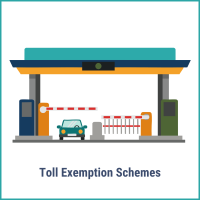
There are several schemes across the UK that allow eligible individuals to travel through tolls and charging zones free of charge.
Some require the individual to apply for the exemption, while others use ANPR to detect vehicles registered in the ‘disabled’ taxation class with the DVLA. These are eligible for the most straightforward toll exemptions.
It is important to note that having a Blue Badge is not the same as having a ‘disabled’ tax class vehicle. If you have a Blue Badge but still pay standard road tax, you will almost always have to register and pay a fee at every site listed above to get any discount.
All information is provided in good faith for guidance purposes only. Please ensure you check the specific requirements and eligibility for each toll site before your journey, as policies may change. We accept no liability for any fines or penalty charge notices incurred.
For more information on locations: Toll Exemptions

The Motability Foundation is a national charity dedicated to enabling disabled people to make the journeys they choose, achieved through funding, research, and innovation.
Their website provides information on the Motability Scheme, charitable grants, and ongoing work to improve accessible transport, particularly focusing on areas like accessible electric vehicle charging infrastructure.
The Motability Foundation
The Regional Driving Assessment Centre (RDAC) is a UK charity that supports individuals with medical conditions or disabilities in maintaining or regaining their independence through mobility.
RDAC provides comprehensive assessments and advice on driving, vehicle adaptations, and alternative transport solutions. With centres across England, including Manchester, Oxford, and Solihull, RDAC collaborates closely with occupational therapists and driving advisors to ensure clients receive personalised support in a respectful and informative environment.
Regional Driving Assessment Centre (RDAC)

Driving Mobility provides expert information and assessments to help people with disabilities or age-related impairments maintain or regain their driving independence.
Their website offers resources on vehicle adaptations, driving assessments, and advice, connecting individuals with a network of assessment centres across the UK.
Driving Mobility

Disabled Motoring UK (DMUK) is a national charity that champions the rights and needs of disabled drivers, passengers, and Blue Badge holders.
They work to improve accessibility and parking for disabled people across the UK, advocating for better infrastructure and fairer policies.
Disabled Motoring UK

Kidz to Adultz exhibitions are valuable resources for disabled drivers because they bring together a wide range of products, services, and information related to mobility and independent living, including vehicle adaptations, driving assessments, and accessible transportation solutions.
This allows individuals to explore various options, receive expert advice, and connect with relevant organizations, all in one place, simplifying the process of finding tailored solutions for their driving needs.
They host events throughout the year, across the UK.
Kidz to Adultz
